Contents
- 1 What Is a Panel Door?
- 2 Why Panel Doors Have Been Popular
- 3 Types of Panel Construction: Raised, Recessed, Molded, and More
- 4 Popular Panel Door Styles and Their Design Influence
- 5 Panel Door Materials: Understanding Structure and Performance
- 6 Benefits of Panel Doors for Your Home
- 7 Where Panel Doors Work Best
- 8 Conclusion
- 9 FAQs
When upgrading or designing a home, most people think about flooring, wall colors, or lighting long before they pay attention to doors. However, your interior doors influence the character, comfort, and balance of every room. To make the right choice, it helps to understand what is a panel door, why these doors have remained popular for generations, and how they enhance everything from insulation to overall home aesthetics.
Panel doors are among the most recognizable and versatile door styles. They combine structure, style, and functionality through the use of rails, stiles, and panel inserts that give the door its shape and personality. Whether you prefer a classic colonial style entryway, a cozy cottagecore bedroom, or a modern interior with clean geometric lines, there is a panel door style suited to your home.
Understanding how panel doors are built, the materials they are made from, and the benefits they offer helps you choose a door that provides lasting value. This guide explains everything you need to know about panel doors, including different styles, materials, and how they compare to alternatives like the flush door.
What Is a Panel Door?
A panel door is a door made from a frame of vertical stiles and horizontal rails that surrounds one or more panel inserts. These panels can be crafted from a variety of materials, including wood panel inserts, molded panel doors, or engineered materials like MDF and composite core structures. The purpose of the rails and stiles is to create stability, shape, and decorative framing around the central panel or multiple panels.
Most panel doors are made up of:
- Stiles, the vertical sections on the left and right edges
- Rails, the horizontal sections at the top, bottom, or center
- Panel inserts, which can be raised panels, recessed panels, or molded designs
- A sturdy internal structure, often wood, composite, MDF core, or plywood
When homeowners ask what is a panel door, the simplest answer is that it is a door built with framed sections instead of a flat, featureless surface. These framed sections help create depth, character, and architectural appeal.
Why Panel Doors Have Been Popular
Panel doors are one of the oldest and most timeless door designs. They first became widely used in traditional homes because they provided structural stability during shifts in humidity. The natural movement of wood required a design that allowed panels to contract and expand without damaging the entire door.
Today, panel doors are valued not only for their durability but also for their beautiful visual design. Their structure suits nearly every interior decor style, from rustic homes and craftsman style layouts to modern minimal spaces. Because of their flexibility and customization options, panel doors are frequently chosen for both interior and exterior entryways.
Types of Panel Construction: Raised, Recessed, Molded, and More
There are several ways a panel door can be constructed, and the choice affects both the appearance and the feel of the door.
Raised Panels
Raised panel designs have outward curves or sculpted surfaces. They are commonly found in colonial style homes, traditional interiors, and classic layouts that emphasize decorative detail.
Recessed Panels
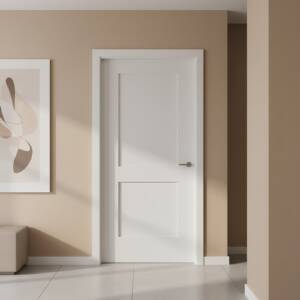
Recessed panels sit inward and create a clean, simple appearance. Shaker doors are the most recognizable form of recessed panel doors, known for their minimalist frames and structured lines.
Molded Panel Doors
These doors use molded skins, often made from MDF or composite materials—to create the appearance of paneling. Molded panel doors can mimic traditional raised panels or simpler recessed styles at a lower cost.
Each construction type changes the look and performance of the door, making it easier to match your interior design style.
Popular Panel Door Styles and Their Design Influence
Panel doors are available in many design configurations, and knowing these helps you select the right match for your home decor.
Shaker Door
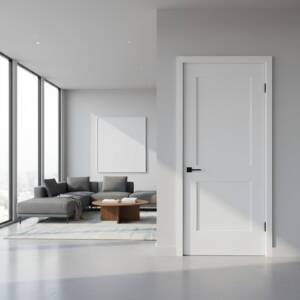
Shaker doors feature clean recessed panels framed by simple rails and stiles. They suit modern panel doors, craftsman style designs, cottagecore themes, and minimalist interiors. They are one of the most widely used panel door designs today.
1 Panel Shaker Door
A 1-panel shaker door is a single recessed panel framed by rails and stiles, perfect for minimalist homes or simple interior decor styles.
2 Panel Shaker Door
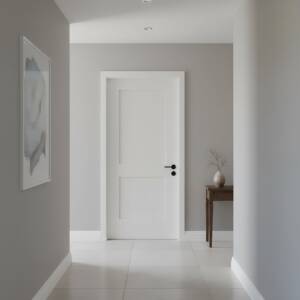
A balanced design with two recessed panels, ideal for homes that want the classic shaker aesthetic with added structure.
Colonial Style
This features raised panels and symmetric lines that reflect traditional architectural styles found in historic American homes.
Prairie Style
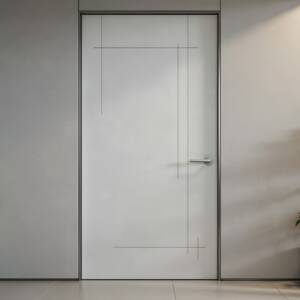
This style relies on straight lines and geometric divisions, often pairing well with modern interiors that value clean structure.
Craftsman Style
Craftsman panel doors include rectangular recessed panels and detailed edges. They fit beautifully into rustic or craftsman homes that appreciate woodwork and natural materials.
Cottagecore
These panel doors often include soft colors, natural textures, and a cozy aesthetic, pairing well with warm wood tones and simple molding.
Panel doors can shift dramatically in appearance depending on your chosen style, making them useful for homeowners who want more customization and detail than a flush door provides.
You can also check out this guide on How to Choose the Perfect Interior Door for Your Home.
Panel Door Materials: Understanding Structure and Performance
A panel door can be built using different materials, each offering its own advantages.
Solid Wood Doors
Solid wood panel doors offer strength, long term durability, natural texture, and rich appearance. They suit rustic style homes, farmhouse aesthetics, and high end interiors.
Composite Core Doors
Composite core doors combine engineered wood fibers, resins, and stabilizers, giving the door improved durability and resistance to warping. They often mimic the look of solid wood without the high cost.
MDF Core Doors
Medium Density Fiberboard (MDF) cores are smooth, stable, and ideal for painted panel doors. They do not warp easily and are perfect for shaker doors or modern panel doors.
Plywood
Plywood is often used in the internal structure of panel doors because it provides strength and stability while resisting moisture better than solid wood in some environments.
Each material plays a role in determining how the door functions in areas requiring insulation, durability, or soundproofing.
Benefits of Panel Doors for Your Home
Panel doors offer many advantages that make them valuable in both modern and traditional homes.
1. Improved Insulation
The layered structure of panel doors helps support insulation, creating more comfortable living spaces. Insulated doors reduce drafts and maintain temperature, especially when paired with solid wood or composite core panels.
2. Strong Soundproofing
The rails, stiles, and wood panel structure naturally enhance soundproofing, making panel doors ideal for bedrooms, home offices, and bathrooms where noise control matters.
3. High Durability
Panel doors last longer because their multi part construction resists warping better than some one piece doors. The internal floating panels support natural wood movement, preventing cracking.
4. Custom Door Design Options
Panel doors provide a wide array of customization choices. You can choose raised panels, recessed panels, shaker profiles, cottagecore finishes, or color options that match your home decor style.
5. Fits Every Aesthetic
Because panel doors come in colonial style, prairie style, craftsman style, cottagecore, and modern panel doors, they fit almost any architectural design.
6. Better Structural Integrity
Rails and stiles reinforce the door and make it stronger. This structure is ideal for high traffic areas or homes that need doors to endure daily use.
Panel doors allow homeowners to upgrade both style and function using designs that suit every part of the home.
Where Panel Doors Work Best
Panel doors can be used across your entire home, depending on the style and material you choose. They work well in:
- Living rooms, where panel doors elevate style by symmetry, and decorative appeal.
- Bedrooms, where soundproofing and privacy matter
- Hallways, where matching doors create visual consistency
- Home offices, where recessed panel doors add structure
- Kitchens, where 1 panel or 2 panel shaker designs complement cabinetry
Panel doors can also be used for exterior applications if the material is suitable for weather protection.
Conclusion
Understanding what is a panel door helps you choose the right option for your home’s personality, functionality, and comfort. Whether you prefer rustic style warmth, modern panel doors with clean lines, or traditional raised panel designs, panel doors bring structure, design interest, and visual harmony to any space.
If you are looking for beautifully built shaker doors or high quality modern interior doors that match your home’s decor, Evolux Doors offers durable panel constructions, premium materials, and precise craftsmanship suited for today’s design needs.
FAQs
- What is a panel door interior?
An interior panel door uses a frame of rails and stiles with one or more panel inserts. It adds depth, style, and structure to living rooms, bedrooms, hallways, and other interior areas.
- What is a panel door used for?
Panel doors are used for both interior and exterior applications. They provide structure, soundproofing, insulation, and customizable design features that make them suited for many architectural styles.
- What is a panel door for exterior?
Exterior panel doors are built using durable materials like solid wood or composite core structures. They often feature raised or recessed panels for added strength and aesthetic appeal.
- Is a panel door good for modern homes?
Yes, panel doors suit modern homes because recessed and shaker styles offer clean lines, simple geometry, and the option for custom door design that aligns with minimalist or contemporary aesthetics.
- Panel door vs flush door: which is better?
A panel door offers more design detail and structure, while a flush door provides a simple smooth surface. Your choice depends on whether you prefer decorative framing or a minimal modern look.