Contents
The choice of interior door color significantly influences the overall aesthetic and mood of a living space. Far from being a mere functional element, doors are integral to interior design, contributing to visual flow, defining spaces, and enhancing a home’s character. When considering what color should interior doors be, it’s essential to move beyond personal preference and consider the door’s function. Each room within a home serves a distinct purpose, and aligning the door color with that purpose can elevate the entire design scheme, creating a cohesive and purposeful environment.
Selecting the right color goes beyond simply matching walls. It involves understanding how different hues interact with lighting, room size, and existing furnishings. The goal is to achieve harmony, ensuring that your doors complement rather than detract from your carefully curated spaces. This guide will explore how room function can inform your color choices, helping you make informed decisions that enhance your home’s appeal and value.
The Concept of Color in Interior Design
Color psychology plays a crucial role in interior design, influencing our emotions and perceptions of a space. Different colors evoke distinct feelings and can alter our perception of room size and brightness. For instance, cool colors like blues and greens tend to create a sense of calm and can make a room feel more expansive, while warm colors such as reds and oranges often evoke energy and coziness.
When considering what color should interior doors be, understanding these psychological effects is key. A bedroom door in a serene shade can enhance relaxation, while a vibrant color for a playroom door might stimulate creativity. The material of the door also plays a role; a solid wood door, for example, often presents a smoother, more uniform surface for color application, enhancing the color’s impact. The right color choice can subtly guide occupants through your home, reinforcing the purpose and atmosphere of each area.
Neutral Interior Door Colors: A Timeless Approach
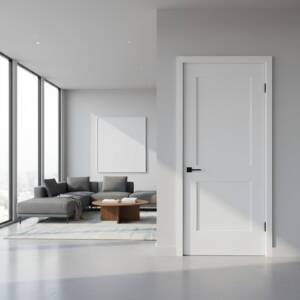
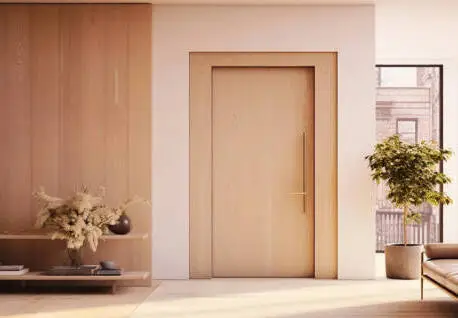
For many homeowners and designers, neutral interior door colors remain the preferred choice due to their versatility and timeless appeal. Colors such as white, off-white, light grey, and natural wood tones offer a sophisticated backdrop that complements almost any decor style. These colors are particularly effective in creating a sense of spaciousness and fostering a continuous flow between different rooms.
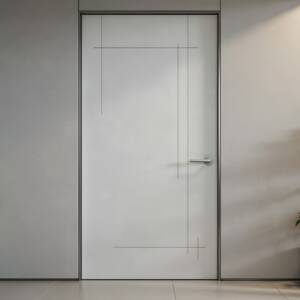
Neutral doors act as a subtle design element, allowing other features of the room, such as artwork or furniture, to take center stage. They also provide flexibility, making it easier to redecorate or update rooms without needing to repaint the doors. A flush door in a neutral shade can seamlessly integrate into a minimalist or modern home, offering clean lines and an uncluttered look. Opting for solid wood or high-quality solid core ensures durability and a premium finish, even with neutral palettes.
Color Considerations for Specific Room Functions
The function of a room should be a primary determinant when deciding what color should interior doors be. Each space has unique requirements for mood, light, and aesthetic. By tailoring door colors to these specific functions, you can enhance the user experience and the overall cohesion of your home’s interior design.
Living Rooms and Common Areas
Living rooms and common areas are often vibrant hubs of activity, entertainment, and relaxation. For these spaces, doors typically serve to complement the existing decor without overwhelming it. Neutral tones like crisp white, soft beige, or light grey are excellent color options. They provide a clean, elegant backdrop that allows the room’s furnishings and décor to shine. These colors seamlessly blend into the background, contributing to an open and inviting atmosphere.
Consider matching the door color to the trim or the wall color for a cohesive look. In modern homes, a flush door in a matte black or deep charcoal might offer a striking contemporary contrast, especially if the room features a sleek, minimalist aesthetic. The key is to select a color that promotes continuity and enhances the overall flow of the shared living spaces.
Bedrooms: Promoting Rest and Privacy
Bedrooms are sanctuaries designed for rest, relaxation, and privacy. The door color here should ideally contribute to a calming and tranquil environment. Soft, muted colors are generally the best color for interior doors in bedrooms. Think about pastel shades of blue, green, or even warmer, subdued tones of grey or cream.
Darker, richer colors like a deep navy or emerald green can also add a touch of luxury and coziness, particularly in larger bedrooms or those with ample natural light. For children’s rooms, slightly brighter yet still soothing colors can be appropriate, reflecting their personality while maintaining a peaceful atmosphere. A solid core flush door can also enhance soundproofing, further contributing to a quiet bedroom environment.
Bathrooms: Cleanliness and Serenity
For bathrooms, the primary considerations are cleanliness, freshness, and often a sense of serenity. White or light-colored doors are traditional choices that convey hygiene and brightness. Light blues or greens can also work beautifully, evoking a spa-like tranquility. These colors are particularly effective in making smaller bathrooms feel more spacious and airy.
If the bathroom features bold tiles or wallpaper, maintaining a simple, neutral door color can prevent the space from feeling too busy. Material choices like solid wood with a durable finish are essential to withstand potential moisture. A seamless flush door design further contributes to a clean and modern bathroom aesthetic.
Kitchens: Energy and Practicality
Kitchens are often the heart of the home, places of high activity, creativity, and gathering. Here, door color choices can range from bright and energizing to warm and inviting, depending on the overall kitchen design. White or light-colored doors can maintain a bright and open feel, especially in smaller kitchens.
For kitchens with a more rustic or traditional charm, doors stained in a rich wood tone can add warmth and character. In modern kitchens with bold cabinetry, a door that either matches or provides a sharp, minimalist contrast (such as a grey or even black flush door) can be very effective. Durability, especially for the finish, is crucial in this high-traffic area, making solid wood doors an excellent choice.
Home Offices: Focus and Productivity
A home office requires an environment conducive to focus, concentration, and productivity. The door color should reflect this need. Neutral or slightly darker, muted tones are often the best color for interior doors in an office setting. Deep greens, blues, or even a sophisticated grey can promote a sense of calm and seriousness, aiding concentration.
Avoid overly bright or distracting colors, which could hinder focus. If privacy and sound reduction are priorities, a high-quality solid wood door is invaluable. The door should blend seamlessly into the professional aesthetic of the office, supporting a productive atmosphere without drawing undue attention.
Achieving Cohesion: Color Schemes and Flow
Beyond individual room functions, the overall color scheme of your home dictates how different door colors will interact. It’s about creating a harmonious flow from one space to the next. Consistency in door style, such as using flush doors or shaker doors throughout, combined with a thoughtful color palette, ensures a cohesive aesthetic.
- Monochromatic Schemes: Using variations of the same color can create a subtle, elegant transition. For instance, different shades of grey for doors against grey walls. Grey interior doors have gained immense popularity for their versatility.
- Complementary Contrasts: Introducing a complementary color can add visual interest without clashing. For example, a crisp white door against a deep blue wall.
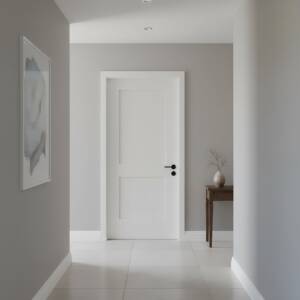
- Unified Neutrals: Employing neutral interior door colors throughout the home offers the greatest flexibility and creates a clean, sophisticated look that allows architectural elements and decor to stand out. This approach also helps increase home value.
When exploring color options, always consider the lighting conditions of each room. Natural and artificial light can significantly alter how a color appears. It’s often beneficial to test paint samples directly on a door or a large board in the actual room to see how the color behaves throughout the day.
Practicalities of Door Painting and Maintenance
Choosing what color should interior doors be also involves practical considerations regarding painting and maintenance. High-quality paints designed for doors and trim offer better durability and a smoother finish. For solid wood doors, proper priming is crucial for optimal color payoff and longevity. If you’re working with custom doors or embarking on a renovation project, consider how the chosen color will interact with other new elements in the space. You might even find insights on how to build a custom interior door.
- Durability: In high-traffic areas, opt for satin or semi-gloss finishes, which are more resistant to scuffs and easier to clean. This is especially true for solid core doors.
- Light Reflection: Lighter colors tend to reflect more light, making spaces feel brighter, while darker colors absorb light, adding a sense of intimacy.
- Touch-ups: Keep a small amount of your chosen door paint for future touch-ups, ensuring a consistent look over time. Maintaining your interior doors is key to their aesthetic and functional lifespan.
Conclusion
Deciding what color should interior doors be is a nuanced process that intertwines aesthetics, psychological impact, and practical considerations related to room function. By thoughtfully selecting door colors that resonate with the purpose and design of each space, you contribute to a home that is not only beautiful but also intuitively functional. Whether you lean towards classic neutral interior door colors for seamless flow or opt for bolder statements to define specific areas, the choice profoundly impacts your home’s ambiance and overall appeal. Evolux Doors understands this intricate balance, offering a range of modern, durable, and stylish flush and shaker doors perfect for any design vision.
Elevate your home’s design with doors that blend functionality with impeccable style. Explore our collections and discover how our premium offerings can transform your spaces. If you’re a contractor or distributor looking for high-quality solutions, we invite you to work with us and consider becoming a distributor, providing your clients with exceptional European-style interior doors.
FAQs
What is the most popular color for interior doors?
White remains the most popular and versatile color for interior doors, as it complements almost any wall color and trim. It creates a clean, classic, and timeless look that brightens a space.
Should interior doors match the trim?
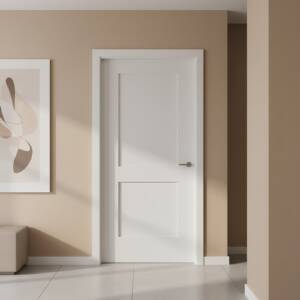
Generally, yes, interior doors often look best when they match the trim color for a cohesive and unified aesthetic. However, contrasting the door color with the trim can create a striking design statement, especially with bold colors.
How do I choose an interior door color for a small space?
For small spaces, lighter door colors like white, off-white, or light gray are recommended to make the room feel larger and more open. Avoid dark colors that can make the space feel cramped and enclosed.
Can I paint interior doors a different color than the walls?
Absolutely! Painting interior doors a different color than the walls can add depth, visual interest, and a touch of personality to a room. Consider a color that complements or subtly contrasts with your wall color.