Contents
- 1 Failing to Prepare the Opening Properly
- 2 Incorrectly Measuring the Door Opening
- 3 Neglecting to Check for Consistent Gaps and Door Alignment
- 4 Using the Wrong Type of Hinges or Screws
- 5 Improperly Installing Door Hardware
- 6 Neglecting Door Finish and Protection
- 7 Overlooking Soundproofing and Privacy Needs
- 8 Not Understanding Different Door Types and Materials
- 9 Ignoring the Importance of Professional Guidance for Complex Installations
- 10 Conclusion
- 11 FAQs
- 11.1 Q: What tools do I need to install a new interior door?
- 11.2 Q: How long does it take to install a new interior door?
- 11.3 Q: Can I install a new interior door by myself?
- 11.4 Q: Do I need to remove the old door frame when installing a new interior door?
- 11.5 Q: Is it better to paint or stain an interior door before or after installation?
Installing a new interior door is an exciting step in any home renovation, offering a fresh look and improved functionality. But it’s easy to overlook the potential pitfalls that come with the process. From aesthetic mismatches to structural issues, the mistakes made during installation can lead to frustration, added expenses and a finish that falls short of expectations. By recognizing the most common errors and how to avoid them, you’ll be on your way to achieving a smooth and professional result.
This guide will walk you through the biggest mistakes homeowners and even some professionals make when installing new interior door components. By focusing on precision, preparation, and proper technique, you can ensure your new doors not only look fantastic but also operate flawlessly for years to come. From accurate measurements to perfecting door alignment, we’ll cover key areas to pay close attention to, empowering you to approach your project with confidence and expertise.
Failing to Prepare the Opening Properly
One of the most foundational mistakes when installing new interior door systems is inadequate preparation of the existing door opening. Many assume that if the old door fits, the new one will too, overlooking the subtle shifts and imperfections that accumulate over time. A door opening, or rough opening, must be square, plumb, and level to ensure smooth operation and a proper fit for the new door unit. Skipping this critical step is a recipe for struggle, leading to issues like doors that bind, don’t latch, or have unsightly gaps.
Before even thinking about hanging the new door, devote time to inspecting and preparing the frame. This involves checking the existing framing for any signs of water damage, rot, or structural issues. Any compromises here must be addressed first. Then, use a level and a square to meticulously verify that all sides of the frame are truly straight and that the corners form perfect 90-degree angles. If they don’t, shimming or even minor carpentry adjustments may be necessary. This diligent preparation sets the stage for a successful interior door replacement, preventing headaches down the line.
Incorrectly Measuring the Door Opening
Precision in measurement cannot be overstated when choosing the perfect interior door for your home. A slightly undersized door will result in significant gaps, compromising privacy and sound insulation, while an oversized door won’t fit at all. Many homeowners make the mistake of measuring only the existing door slab, rather than the rough opening itself, or they take only one measurement when multiple are needed. This oversight is a leading cause of frustration during interior door installation.
To avoid this common pitfall, always measure the width of the door opening at three points: the top, middle, and bottom. Do the same for the height, measuring from the finished floor to the top of the frame on both sides and in the middle. Use the largest width and height measurements to size your new door, ensuring you have enough clearance for hinges, flooring, and proper operation. Remember to account for the door frame and any allowances for shimming. Taking these multiple measurements provides a more accurate picture of the space, allowing you to select a door that fits snugly and functions correctly.
Neglecting to Check for Consistent Gaps and Door Alignment
After initially hanging the door, it’s tempting to move on to hardware installation. However, rushing this stage without diligently checking for consistent gaps and proper door alignment is a significant error. Incorrect gapping can lead to the door sticking, scraping the floor, or failing to close securely. Poor door alignment impacts the aesthetics and functionality of the entire assembly. This is particularly crucial for flush doors and shaker doors, where clean lines and precise fits are essential to their minimalist design.
Once the door is temporarily hung on its hinges, carefully inspect the gaps around all four sides. There should ideally be an even 1/8-inch to 3/16-inch gap between the door and the frame. Use shims behind the hinges, if necessary, to adjust the door’s position until these gaps are consistent. Open and close the door several times to ensure it swings freely without any binding or rubbing. Proper alignment ensures the door latches smoothly and remains securely closed, contributing to the overall durability and functionality of the installation. This attention to detail defines a professional interior door installation.
Using the Wrong Type of Hinges or Screws
The small components that hold your door in place, the hinges and screws, are often overlooked but play a pivotal role in the door’s long-term performance. A common mistake is using hinges that are too small or flimsy for the door’s weight, or screws that are too short to properly anchor the hinges into the door frame and the door itself. This can lead to sagging, squeaking, and eventually, the door falling out of alignment. For example, a solid core door is considerably heavier than a more lightweight option and requires robust hardware to support its weight and ensure its long-lasting durability.
Always select hinges appropriate for the door’s weight and size. Heavier doors, like those made with solid wood or a solid core, require three sturdy hinges. Ensure the screws are long enough to penetrate well into the door framing studs, typically at least 2.5 to 3 inches for the top hinge. For the other hinges, using screws that are at least 1.5 inches provides adequate hold into the door material. This seemingly minor detail is crucial for the stability and longevity of your new interior door, preventing future issues like loose hinges or sagging that impact the alignment.
Improperly Installing Door Hardware
After hours spent on frame preparation and alignment, it’s easy to rush through the installation of the doorknob, latch, and strike plate. However, improperly installed hardware can undermine all the meticulous work that preceded it. Common mistakes include misaligning the latch with the strike plate, drilling holes that are too deep or shallow, or failing to secure the hardware firmly. This can lead to a door that doesn’t latch properly, is difficult to open or close, or even a lock that fails to engage, impacting home security.
When installing hardware, use a door hardware jig for precise hole drilling. Take your time to ensure the latch mechanism is perfectly aligned with the strike plate on the door frame. A properly adjusted strike plate allows the latch to engage smoothly and securely without force. Ensure all screws are tightened snugly, but avoid over-tightening, which can strip the wood or crack the door material. Paying close attention to hardware installation guarantees that your new interior door functions as intended, providing reliable privacy and ease of use. This attention to detail is vital, especially when dealing with the precise lines often seen in modern homes with flush door designs.
Neglecting Door Finish and Protection
Investing in high-quality interior doors means little if they are not properly finished and protected. Many homeowners make the mistake of installing an unfinished door and then neglecting to paint or seal it, or they apply a finish incorrectly. While Evolux Doors come with a premium primer, further steps might be needed depending on your final aesthetic goals. Unfinished doors are vulnerable to moisture, warping, and everyday wear and tear, especially in high-traffic areas. This oversight diminishes both the aesthetics and durability of your investment. It’s a key aspect of maximizing the appeal and value that high-quality interior doors can add to your home.
Once your door is perfectly installed and adjusted, ensure it receives the appropriate finish. For doors with premium primer, a final coat of paint or a sealant is crucial to protect the surface and enhance its longevity. Take the time to properly prep the surface, apply primer if necessary, and then 2-3 thin, even coats of your chosen finish. Allow adequate drying time between coats. This protective layer not only enhances the door’s appearance, integrates it into your home’s color scheme, but also shields it from moisture and impacts, helping to protect your interior doors from scratches, dents, and damages. Proper finishing is an integral part of interior door installation, contributing significantly to its long-term aesthetics and functionality.
Overlooking Soundproofing and Privacy Needs
Modern homes increasingly prioritize personal space and tranquility, making soundproofing a significant consideration for interior doors. A common mistake during interior door replacement is to select and install a door without considering its sound-dampening properties or how small gaps might compromise privacy. While aesthetics are important, the functionality of a door often extends beyond mere appearance, impacting the comfort and utility of various rooms. The best interior doors for soundproofing and privacy are typically of a solid core construction rather than hollow versions.
When installing new interior door assemblies, assess the specific needs of each room. For bedrooms, home offices, or bathrooms, a solid core door made from solid wood or high-density material offers superior sound insulation compared to lighter alternatives. Even with the right door, ensure meticulous sealing around the frame with weatherstripping or door sweeps to minimize sound leakage. Pay attention to consistent door alignment and tight tolerances to prevent sound from escaping through gaps. Prioritizing these elements during interior door installation ensures enhanced privacy and a quieter living environment, contributing to overall user satisfaction within your modern home.
Not Understanding Different Door Types and Materials
Homeowners sometimes make the mistake of assuming all interior doors are essentially the same, focusing solely on aesthetics without understanding the underlying materials and construction. This can lead to choosing a door that doesn’t meet their needs for durability, longevity, or specific functional requirements like sound insulation or fire resistance. For instance, a flush door may look simple, but its internal construction, whether solid core or semi-solid, significantly impacts its performance characteristics. Similarly, shaker doors are admired for their classic lines, but their material, solid hardwood or engineered wood, affects their stability and resistance to warping. Understanding these distinctions is crucial, especially when trying to find modern interior door styles that match your decor.
Before selecting a door, educate yourself on the various types available. Evolux Doors offers flush and shaker options, each with distinct features:
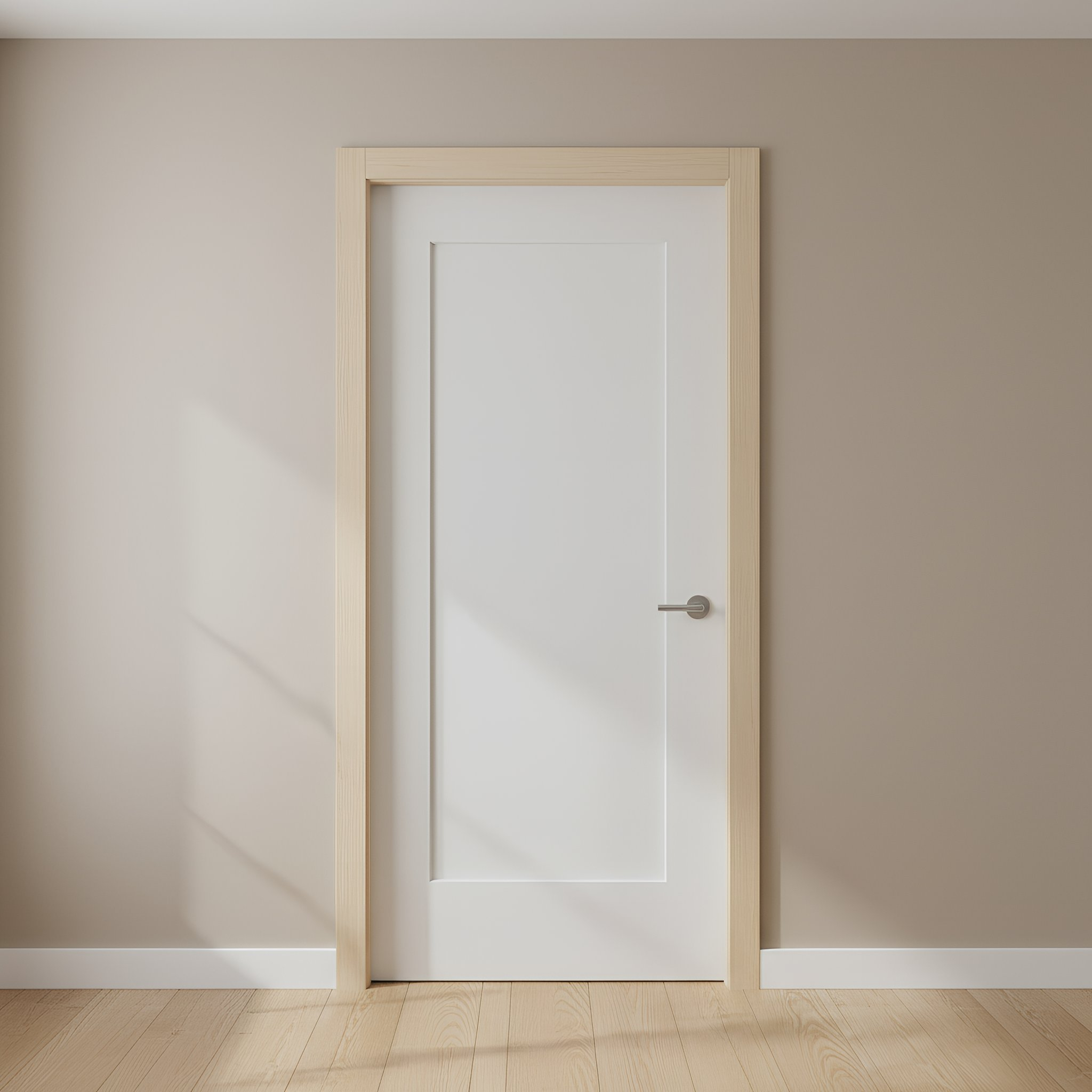
- Shaker Doors: Crafted with a solid hardwood structure, solid one-piece recessed panel, and dovetail joints, these doors are robust. They feature a 3 mm MDF wear layer and are covered with premium primer, ensuring durability and a quality finish.
- Flush Doors: Available with semi-solid or solid hardwood cores, these doors are exceptionally stable. They feature a 6 mm wear layer with a semi-solid core or an 8 mm wear layer with a solid core, also covered with premium primer. This construction makes them ideal for demanding environments and contributes to their smooth aesthetics and practicality. Regardless of the type, high-quality interior doors can increase your home’s value. Knowing these differences ensures you choose a door that is not just aesthetically pleasing but also perfectly suited to its intended use and provides the desired durability and functionality often expected in modern homes.
Ignoring the Importance of Professional Guidance for Complex Installations
While many homeowners are adept at DIY projects, some interior door installations, particularly those involving modifications to existing frames or unusual opening sizes, can be complex. A significant mistake is attempting an installation that is beyond one’s skill level, leading to errors that are costly to fix. This is especially true for projects that require precise carpentry skills or when dealing with custom-made solutions. Professional installers have the specialized tools, experience, and knowledge to handle intricate situations, ensuring a seamless and precise interior door installation. For instance, creating custom-made shaker doors or dealing with unique architectural needs often benefits from expert handling.
Recognize when a project requires professional expertise. Engaging skilled contractors or installers can save time, prevent damage, and guarantee a high-quality finish. Professionals are adept at quickly identifying and resolving issues like warped frames, uneven floors, or challenging door alignment problems that might baffle a novice. They can also ensure that the installation adheres to all building codes and best practices. While a DIY approach might seem to save money upfront, the cost of correcting mistakes from a complex installation often far outweighs the initial savings. For projects that demand perfection, or if you’re unsure about any step of the process, it’s wise to consider professional assistance, ensuring your modern interior doors are installed with the highest level of craftsmanship.
Conclusion
Installing new interior door systems can significantly enhance the beauty and functionality of your home, transforming spaces and improving daily living. However, it’s a detailed process where precision and careful execution are key. By understanding and actively avoiding these common mistakes, from neglecting proper opening preparation and inaccurate measurements to overlooking hardware specifics and professional assistance, you can ensure your interior door installation is successful and enduring. Paying attention to door alignment and selecting the right materials will lead to a flawless and aesthetically pleasing result.
Evolux Doors understands the intricacies involved in creating sophisticated and functional door solutions for modern homes. Our commitment to quality materials, superior craftsmanship, and contemporary design ensures that our products seamlessly integrate into any interior design vision. If you are planning an interior door replacement or a new construction project, we invite homeowners, interior designers, and contractors to explore our extensive range. For sophisticated solutions that prioritize both aesthetics and functionality, request our catalogue and discover the perfect Evolux Doors for your next project.
FAQs
Q: What tools do I need to install a new interior door?
A: You’ll typically need a tape measure, level, drill, screwdriver, hammer, utility knife, shims, and a saw (like a miter saw or handsaw) for trimming. Having a pry bar and a chisel can also be very helpful for removing old frames or fine-tuning the fit.
Q: How long does it take to install a new interior door?
A: For an experienced DIYer, installing a pre-hung interior door can take 2-4 hours, while a slab door might take 4-8 hours due to hinge and hardware mortising. A professional can often complete the job much faster, especially with pre-hung units.
Q: Can I install a new interior door by myself?
A: Yes, while challenging, it is possible to install a new interior door by yourself, especially a pre-hung unit. However, having a second person to help with lifting and positioning the door slab makes the process significantly easier and safer.
Q: Do I need to remove the old door frame when installing a new interior door?
A: Not always. If you’re installing a slab door, you’ll reuse the existing frame, ensuring it’s square and in good condition. For a pre-hung door, you will typically need to remove the old frame to install the new unit properly.
Q: Is it better to paint or stain an interior door before or after installation?
A: It’s generally easier and more efficient to paint or stain an interior door before installation, especially if it’s a slab door. This allows for full coverage without masking and avoids drips on the surrounding walls or floor.